
No, You Can’t Just “Produce” Your Own Ozempic
I’m seeing more patients who are on weight loss medication Ozempic or Mounjaro.
If you caught a recent segment on This Morning, you might have seen a “Health Biohacker” making bold claims about GLP-1 medications. The assertion? That “our bodies make our own Ozempic when we consume certain foods like MCT or goats’ yoghurt.”
Social media erupted, and for good reason. I am going to give you the facts, so you understand that, whilst this statement contains a tiny grain of biological GLP-1 truth, it is actually totally irresponsible and misleading.
Let’s Set the Record Straight
Understanding the difference between your natural supply of GLP-1 and the pharmaceutical version explains why the medications are so potent, why you will never make enough naturally to compete with the medication and why they behave differently in your system.
Glucagon-like peptide-1 (GLP-1) is a metabolic hormone produced primarily by the L-cells in your small intestine. Think of it as a “nutrient sensor.” When you eat, these cells detect the arrival of food and release GLP-1 into the bloodstream to prepare your body for the incoming energy.
What Stimulates Its Release?
Macronutrients: Fibre, healthy fats (like olive oil or nuts), and proteins are the strongest triggers for natural GLP-1 release.
Fermentable Fibre: When gut bacteria break down fibre into short-chain fatty acids, it triggers the L-cells to pump out more hormone.
The 2-Minute Rule
Natural GLP-1 has a half-life of roughly 1.5 to 2 minutes.
An enzyme in your blood called DPP-4 breaks down natural GLP-1 almost as soon as it’s released. This ensures your blood sugar doesn’t stay too low for too long after a meal.
How the Medication Differs
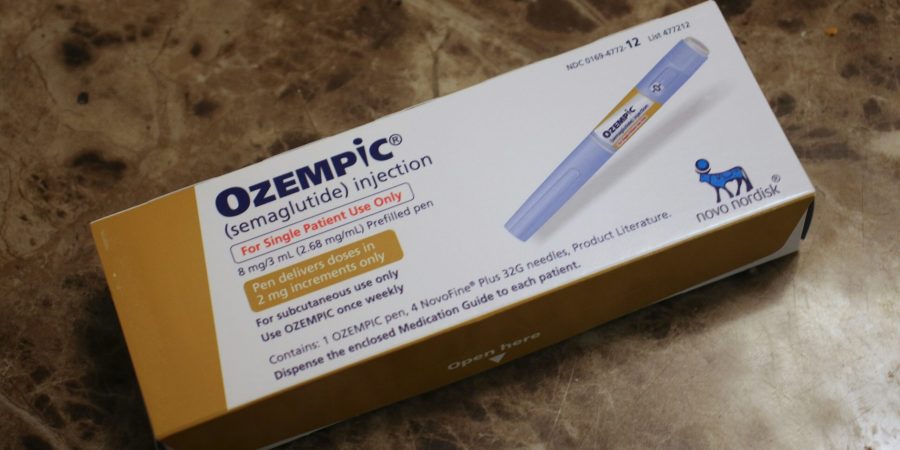
GLP-1 medications (like Ozempic & Wegovy) are structurally modified versions of the natural hormone, designed to overcome the body’s natural DDP-4 enzyme cleanup crew. They basically dodge the breakdown process.
Why This Matters
Because the medication is engineered to resist being broken down, it provides a pharmacological dose rather than a physiological dose. While your natural GLP-1 tells you “I’m full” for an hour after lunch, the medication sends that “fullness” signal to your brain 24/7. This constant signal is what allows for significant weight loss, but it is also why side effects like nausea can occur; your body is essentially being told it’s “fed” even when it hasn’t eaten.
The Biological Reality vs. The Myth
Our bodies indeed produce a natural hormone called GLP-1. However, comparing natural GLP-1 to a medication like Ozempic or Mounjaro is like comparing a paper fan to a climate control air conditioning system.
They both move air, but the scale and power aren’t even in the same universe.
Does GLP-1 Medication Impact Gut Health?
When you start a GLP-1 medication like Ozempic or Mounjaro, you aren’t just changing your metabolism; you are fundamentally altering how your digestive system moves. Understanding this “slow-down” is the key to minimising side effects and maximising your results.
The Gut Impact: Why “Slow” is the Goal
The primary way GLP-1 medications impact gut health is through delayed gastric emptying.
In a typical body, the stomach empties its contents into the small intestine relatively quickly after a meal. GLP-1 medications tell the stomach to hold onto that food for much longer.
- The Benefit: You feel full on significantly less food, and your blood sugar doesn’t spike because glucose is released into the bloodstream at a slow, steady trickle.
- The Challenge: Because food sits in the stomach longer, it can lead to common side effects like nausea, acid reflux, or a “heavy” feeling if you eat too much or too quickly.
How to Eat for Success
Here is the blueprint for eating while on GLP-1 therapy:
- Prioritise Protein First: Since you will likely be eating smaller portions, you must protect your muscle mass. Aim for high-quality protein at every meal (chicken, fish, tofu, or Greek yoghurt). Muscle is the engine of your metabolism, and protein helps keep it fuelled while the fat burns off.
- Lean into Soluble Fibre: Fibre is your best friend for gut motility. However, because digestion is slower, opt for soluble fibre (found in oats, beans, and peeled fruits), which is gentler on a slow-moving stomach than heavy, tough roughage.
- Hydrate with Electrolytes: GLP-1s can sometimes dull your thirst signals just as much as your hunger signals. Combined with slower digestion, dehydration can lead to constipation. Sip water throughout the day and consider adding electrolytes to keep things moving smoothly.
- The “Stop Before You’re Full” Rule: Because the signal from your gut to your brain is now “amplified,” there is a delay in sensing when you are truly stuffed. Stop eating when you are about 80% full. If you push past that point, the “slow” stomach will have nowhere to put the extra food, which is the leading cause of the dreaded “Ozempic Nausea.”
Foods to Avoid
To keep your gut happy, try to limit:
- High-Fat/Fried Foods: Fat naturally slows digestion even further. Adding high-fat or fried food on top of a GLP-1 is often a recipe for severe heartburn, diarrhoea and stomach cramps.
- Ultra-Processed Sugars: These can cause “dumping” symptoms or sudden spikes that counteract the medication’s hard work.
- Sugar-free food: Choices can have a natural laxative effect. When combined with the altered motility from the medication, they can cause significant GI distress.
- Alcohol: Can interfere with blood sugar regulation and exacerbate digestive side effects. Limit or avoid completely.
Meal Planning Strategies:
- Smaller, More Frequent Meals: Instead of 3 large meals, consider 4-6 smaller meals or snacks throughout the day to avoid overwhelming your digestive system.
- Prioritise Protein and Fibre at Each Meal: Start with protein, then add vegetables and smaller portions of complex carbohydrates.
- Eat Slowly and Mindfully: Chew food thoroughly. Pay attention to your body’s fullness signals. GLP-1 RAs enhance these signals, so learning to recognise them is key.
- Stay Hydrated: Sip water throughout the day, even if you don’t feel thirsty. Electrolyte-rich fluids might be helpful if experiencing vomiting or diarrhoea.
- Listen to Your Body: Nausea, vomiting, diarrhoea, or constipation are common side effects, especially when starting or increasing the dose. Adjust your food choices based on how you feel. Bland foods might be necessary during periods of nausea. Check that your diet is supporting the use of this medication, not working against you!
- Meal Prep: Having nutrient-dense, easily digestible meals ready can be very helpful when appetite is unpredictable.
The Bottom Line: On GLP-1, your gut is working at a different pace; your microbiome inevitably will alter. And, for those of you who suffer with SIBO, you will know slow gastric emptying and stagnant food in the small intestine is not a great combo!
By choosing high-nutrient, easy-to-digest foods and staying ahead of hydration, you can turn the medication’s “slow road” into a smooth path toward your health goals.