
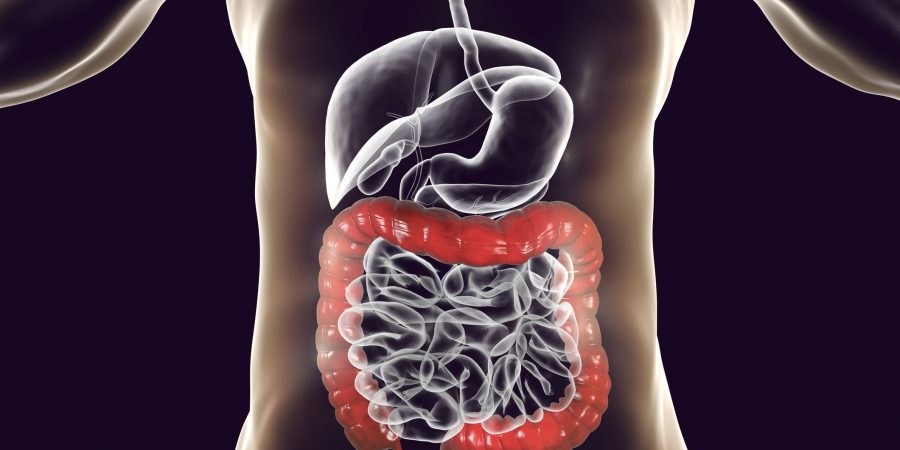
If you have ever dealt with SIBO (Small Intestinal Bacterial Overgrowth) or IMO (Intestinal Methanogen Overgrowth), you will know just how frustrating the cycle can be.
You follow the protocol to the letter, clear your symptoms, feel fantastic… and then, a few months later, those familiar digestive issues sneak right back in.
When SIBO or IMO keeps recurring, as my clients will know, we always have to ask why the small intestine became such a hospitable home for those bacteria and archaea in the first place. Whilst low stomach acid gets plenty of airtime in the gut health world, today I want to shine a light on an unsung hero of your digestive system: bile.
What Does Bile Actually Do?
Made by your liver and stored in your gallbladder, bile is best known for breaking down dietary fats so your body can absorb essential fat-soluble vitamins (A, D, E, and K). But it also possesses two hidden superpowers that directly impact SIBO and IMO:
- It’s a natural antimicrobial: Think of bile as your digestive tract’s internal detergent. It actively suppresses bacterial and archaeal overgrowth in the small intestine, keeping microbial populations right where they belong—down in the large intestine!
- It triggers the “sweep”: Bile stimulates your Migrating Motor Complex (MMC), the cleansing wave that sweeps food debris and microbes down the gut between meals.
The Vicious Cycle: Low Bile & SIBO/IMO
When bile flow is sluggish, thin, or insufficient, bacteria get a golden opportunity to migrate upwards into the small intestine and set up camp.
Here is where it gets particularly tricky: SIBO bacteria and IMO archaea can actually deconjugate (break down) your bile salts.
In short, the microbes render your bile useless. Suddenly, you can’t digest fats properly—which can lead to pale or floating stools, nausea after rich meals, or sudden fat intolerance—and your gut loses its main antimicrobial defence. This makes the overgrowth even harder to clear. Talk about a frustrating feedback loop!
Signs Your Bile Might Need Some Extra Love
If you are wondering whether bile flow could be an issue for you, keep an eye out for these common indicators:
- Bloating or nausea shortly after eating healthy fats (like avocado, olive oil, red meat, or full-fat dairy)
- Pale, floating, or greasy stools
- Chronic SIBO or IMO relapses, despite completing successful clearing protocols
- Dry skin, or difficulty bringing your Vitamin D levels up (a classic sign of fat-soluble nutrient malabsorption)
How to Support Your Bile Flow
True root-cause gut work means looking far beyond simply clearing bacteria. If you are tackling stubborn bloating or recurring SIBO/IMO, supporting your liver and gallbladder function isn’t optional—it is essential.
Here are a few gentle, effective ways to get things moving again:
- Incorporate bitters before meals: Foods like rocket, dandelion greens, chicory, or a quick squeeze of fresh lemon juice in water help stimulate natural digestive juices and encourage bile flow.
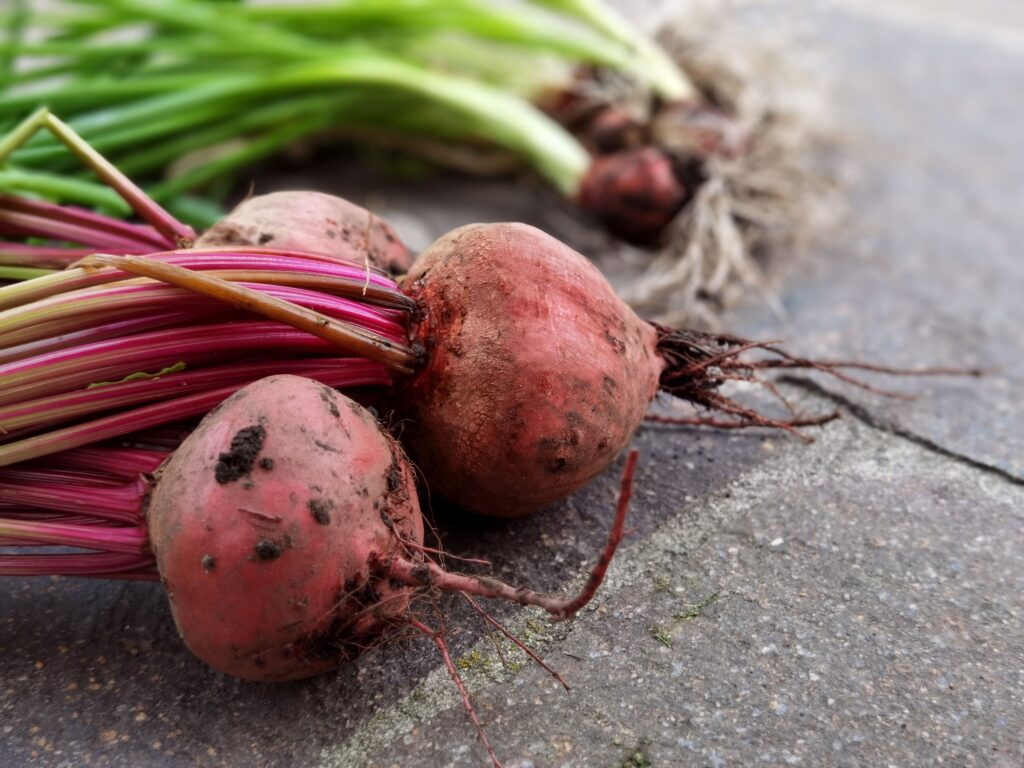
- Enjoy fresh raw, juiced or cooked beetroot: Fantastic for liver health plus works on both bile quality (thinning it out) and bile flow (getting it moving).
- Prioritise hydration: Bile is largely made of water! Staying well-hydrated keeps bile thin and fluid rather than thick and sluggish.
- Look at the bigger picture: Optimising thyroid function, supporting overall gut motility, and managing stress levels all play a vital role in keeping your gallbladder squeezing effectively.
If you feel like you’ve been doing “all the right things” for your gut but keep hitting a wall, taking a closer look at your liver and gallbladder health might just be the missing piece of your puzzle.